
Nassau, The Bahamas – The African & Caribbean Energy Network (ACEN) continues to strengthen its mission of promoting renewable and sustainable energy solutions across the region with a productive visit to The Bahamas by its Executive Director, Patrick Schiele
During his visit, ACEN Country Coordinator for The Bahamas, Melissa Darville hosted Mr. Patrick Schiele on a tour of New Providence to observe firsthand the island’s energy landscape, infrastructure, and opportunities for green innovation.
The visit blended relaxation with purposeful observation, creating space for open dialogue and creative brainstorming around the nation’s energy and sustainability needs.
One key observation was the drainage challenges following heavy rainfall, highlighting the potential for improved rainwater harvesting systems that could both mitigate flooding and support small-scale agricultural production. The discussion expanded into how new crops suited to Bahamian soil and climate could be cultivated using collected rainwater — merging food security with water conservation strategies.
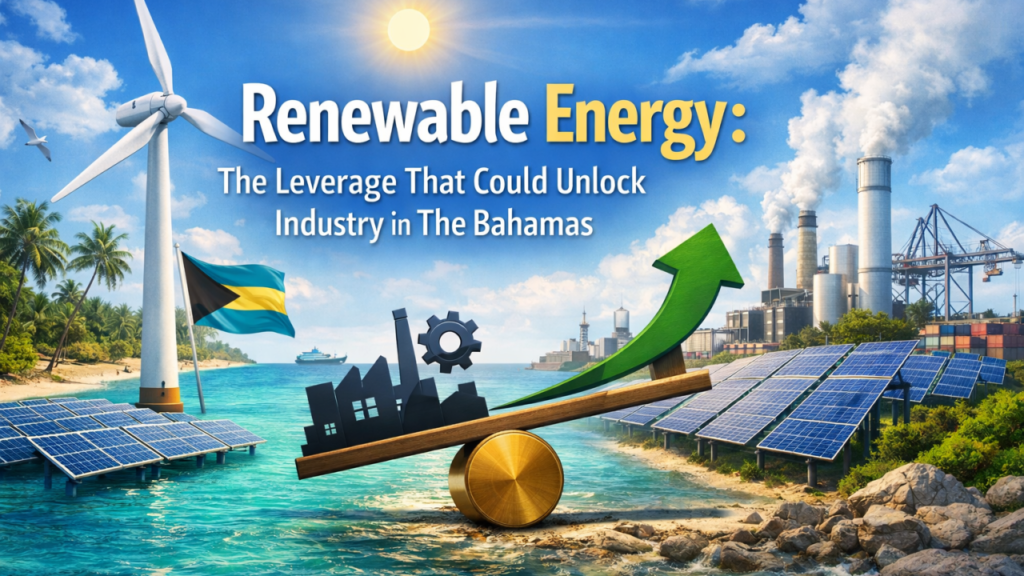
At Clifton Pier, the team noted the constant flow of construction materials and imported goods, sparking a conversation about the high cost of local manufacturing and how energy pricing remains a major deterrent to industrial development. Both agreed that a shift toward renewable power generation could reduce production costs and make manufacturing more viable for local entrepreneurs.
The tour also included an overview of the island’s primary diesel-fueled power station, a critical facility that remains both the backbone and bottleneck of national energy supply. The site served as a focal point for discussion on transitioning toward cleaner, decentralized energy systems, including solar integration and community microgrids.
It was also observed that financially able citizens are already adopting solar energy for their homes — a trend signaling growing awareness and willingness to embrace alternatives. This shift opens the door for affordable hybrid solutions that combine solar energy, aquaponics, and food sustainability models, empowering individuals and families to live more self-sufficiently.
Patrick and Melissa agreed that The Bahamas has a unique opportunity to blend innovation with island culture, creating energy models that reflect both environmental responsibility and local resilience. Together, ACEN Bahamas and the global ACEN network aim to pioneer practical, people-centered solutions that make renewable energy accessible, affordable, and adaptable for all. — acenergynetwork.org
African & Caribbean Energy Network (ACEN) – “Collaborate. Innovate. Power the Future.”